

Introduction
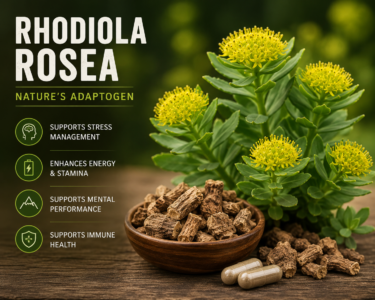
In a world that never seems to slow down—where burnout, mental fog, and chronic stress have become almost normal—many people are searching for natural, sustainable ways to keep up. Enter Rhodiola rosea, one of the most respected and well-researched adaptogenic herbs in the world.
Used for centuries in traditional medicine across Scandinavia, Russia, and Asia, Rhodiola has earned a reputation as a powerful ally against physical and mental exhaustion. Unlike stimulants like caffeine that give you a temporary jolt followed by a crash, Rhodiola works gently and intelligently—helping your body adapt to stress, restore balance, and perform better under pressure.
From exhausted students cramming for exams to athletes pushing through intense training to professionals battling daily burnout, Rhodiola rosea offers science-backed support for anyone facing high demands.
In this guide, we’ll cover everything you need to know: what Rhodiola is, its key benefits, potential side effects, proper dosage, and answers to common questions.
What is Rhodiola Rosea & Why Is It Used?
Rhodiola rosea (also known as “golden root” or “arctic root”) is a flowering perennial plant that grows in cold, mountainous regions of Europe, Asia, and the Arctic. For centuries, it has been used in traditional medicine to:
-
Combat fatigue and increase stamina
-
Improve mental clarity and memory
-
Reduce anxiety and stress
-
Enhance physical performance
What makes Rhodiola special?
Rhodiola is classified as an adaptogen—a natural substance that helps your body resist physical, chemical, and biological stress. Unlike stimulants that force your body into overdrive, adaptogens work by normalizing your stress response systems.
The key active compounds in Rhodiola include:
-
Rosavins – primarily responsible for stress reduction and anti-anxiety effects
-
Salidroside – linked to physical performance, mental endurance, and cellular protection
These compounds work together to modulate cortisol (your primary stress hormone), improve oxygen utilization, and protect brain cells from fatigue-related damage.
Why is Rhodiola used as a supplement?
-
To reduce mental and physical fatigue
-
To improve focus, memory, and cognitive performance
-
To enhance exercise endurance and recovery
-
To manage symptoms of burnout and chronic stress
-
To support mood and reduce mild anxiety
Benefits of Rhodiola Rosea
1. Reduces Mental & Physical Fatigue
This is Rhodiola’s most famous benefit. Numerous clinical studies have shown that Rhodiola significantly reduces fatigue in a variety of populations:
-
Students: Reduced mental exhaustion during exam periods
-
Night shift workers: Decreased feelings of tiredness and improved alertness
-
People with burnout: Improved energy levels and reduced emotional exhaustion
-
Chronically ill patients: Reduced fatigue severity
One study found that doctors working night shifts made 20% fewer errors when taking Rhodiola compared to placebo.
2. Enhances Cognitive Function & Focus
Rhodiola is a favorite among students, programmers, writers, and anyone who needs sustained mental clarity. Research shows it can:
-
Improve attention span and concentration
-
Enhance memory recall (especially short-term memory)
-
Reduce “brain fog” during stressful periods
-
Protect cognitive function during sleep deprivation
The effects are most noticeable during demanding or stressful mental tasks—exactly when you need them most.
3. Supports Stress Resilience & Reduces Burnout
As an adaptogen, Rhodiola helps regulate your body’s stress response. Specifically, it:
-
Lowers cortisol levels when they are chronically elevated
-
Reduces perceived stress and anxiety symptoms
-
Prevents stress-induced burnout by protecting adrenal function
-
Improves mood and reduces irritability
Unlike pharmaceutical anti-anxiety medications, Rhodiola doesn’t cause drowsiness or dependence. It simply helps your nervous system stay balanced under pressure.
4. Improves Physical Performance & Exercise Recovery
Athletes and fitness enthusiasts have embraced Rhodiola for good reason. Studies show it can:
-
Increase time to exhaustion during endurance activities (running, cycling, swimming)
-
Reduce perceived exertion—meaning workouts feel easier
-
Lower exercise-induced oxidative damage to muscles
-
Speed up recovery between training sessions
For best results, Rhodiola is typically taken 30-60 minutes before exercise.
5. Supports Mood & Mild Depression
While not a treatment for clinical depression, Rhodiola has shown promise in improving mood and reducing symptoms of mild to moderate depression. Some studies have compared it favorably to conventional antidepressants (like sertraline) with fewer side effects.
The mechanism is believed to involve balancing neurotransmitters like serotonin, dopamine, and norepinephrine.
6. Protects the Heart & Brain (Antioxidant Effects)
Rhodiola contains powerful antioxidants that:
-
Protect brain cells from age-related damage
-
Support cardiovascular health by reducing stress-induced heart strain
-
May have protective effects against neurodegenerative conditions (early research)
7. Enhances Sexual Function & Libido
Traditional use of Rhodiola includes improving sexual function. Modern research supports this, showing benefits for:
-
Erectile dysfunction (mild to moderate cases)
-
Low libido related to stress or fatigue
-
Premature ejaculation (some evidence)
Side Effects of Rhodiola Rosea
Rhodiola is generally very well-tolerated, especially when compared to prescription medications or other stimulants. However, some people may experience mild side effects.
Common Side Effects (usually mild and temporary):
-
Dizziness (rare)
-
Dry mouth
-
Headache
-
Mild digestive upset (nausea, stomach discomfort)
Less Common Side Effects:
-
Agitation or restlessness (especially at high doses)
-
Insomnia (if taken too late in the day)
-
Increased anxiety (in sensitive individuals)
Who Should Be Cautious?
Condition Recommendation Bipolar disorder May trigger manic episodes; avoid or use only under medical supervision Pregnancy & breastfeeding Limited safety data; consult your doctor before use Autoimmune diseases Theoretical immune-modulating effects; use with caution Low blood pressure Rhodiola may lower blood pressure further; monitor closely Taking stimulants or antidepressants Potential interactions (see below) Severe reactions (extremely rare):
-
Allergic reactions (rash, itching, swelling, difficulty breathing)
Important: Rhodiola is considered very safe for most healthy adults, but always start with a low dose to assess your personal response.
Dosage & Safe Usage
Recommended Daily Doses:
Purpose Typical Dose Timing General stress support & mood 200mg – 400mg Morning, with breakfast Mental focus & cognitive performance 300mg – 600mg Morning or before mental tasks Physical performance & endurance 300mg – 600mg 30-60 minutes before exercise Burnout & chronic fatigue 400mg – 600mg Morning + early afternoon Sleep-related stress (avoid evening) 200mg – 300mg No later than early afternoon Important: Standardized Extracts
Not all Rhodiola supplements are equal. Look for products standardized to specific active compounds:
-
Rosavins: 3% – 5%
-
Salidroside: 1% – 2%
A common label will read: “Rhodiola rosea root extract standardized to 3% rosavins and 1% salidroside.”
How to Take Rhodiola:
-
Form: Capsules, tablets, powders, or liquid tinctures
-
With or without food: Either is fine; food may reduce mild stomach upset
-
Cycling: Many experts recommend cycling Rhodiola to maintain effectiveness (e.g., 6-8 weeks on, 1-2 weeks off)
Important Interactions:
Interaction Effect Antidepressants (SSRIs, MAOIs) Potential for serotonin syndrome (rare); consult doctor Stimulants (caffeine, amphetamines) May increase stimulant effects and risk of agitation Blood pressure medications Rhodiola may enhance blood pressure-lowering effects Diabetes medications Could affect blood sugar; monitor levels Blood thinners (warfarin) Theoretical interaction; limited evidence Always consult a healthcare professional before starting Rhodiola, especially if you take prescription medications or have a medical condition.
Frequently Asked Questions (FAQs)
1. Is Rhodiola rosea a stimulant like caffeine?
No. Rhodiola is an adaptogen, not a stimulant. While it can increase alertness and reduce fatigue, it doesn’t work by forcing your nervous system into overdrive. Most people experience calm, focused energy rather than jitteriness.
2. How long does Rhodiola take to work?
-
Acute effects: Some people feel more focused and less tired within 1-2 hours of taking it.
-
Full benefits: Stress reduction, mood improvement, and burnout recovery typically take 2-4 weeks of consistent daily use.
3. Can I take Rhodiola every day?
Yes. Many people take Rhodiola daily for weeks or months at a time. However, cycling (taking breaks) is often recommended to prevent tolerance and maintain effectiveness.
4. Should I take Rhodiola in the morning or at night?
Morning or early afternoon only. Rhodiola can be activating and may interfere with sleep if taken too late. For most people, taking it with breakfast is ideal.
5. Can I take Rhodiola with coffee?
Yes, but be cautious. Both Rhodiola and caffeine can increase alertness and heart rate. Some people find the combination too stimulating. Start with a lower dose of each to see how you respond.
6. Is Rhodiola safe for long-term use?
Yes. Studies lasting up to 6-12 months have shown good safety profiles. However, cycling (taking breaks) is still recommended by many herbalists and researchers.
7. Can Rhodiola help with anxiety?
Yes, especially stress-related anxiety. Rhodiola helps regulate cortisol and the body’s stress response, which can reduce feelings of overwhelm and nervousness. However, for severe anxiety disorders, consult a doctor.
8. What happens if I miss a dose?
Just take it when you remember. If it’s late in the day (after 3-4 PM), skip the missed dose to avoid sleep disruption. Never double up.
9. Can I give Rhodiola to my child?
Not without medical supervision. Safety data for pediatric use is very limited.
10. Will Rhodiola show up on a drug test?
No. Rhodiola is an herbal supplement and does not contain any substances tested for in standard workplace or athletic drug screenings.
Reality & Final Note
Rhodiola rosea is not a magic pill. It won’t eliminate all your stress, replace good sleep, or make you immune to burnout. But when used correctly, it is one of the most effective natural tools available for building stress resilience, fighting fatigue, and improving mental and physical performance.
The reality:
-
It works best under real stress. If you’re already well-rested and relaxed, you may not notice much effect. Rhodiola shines when you are tired, overworked, or under pressure.
-
It’s subtle but powerful. Don’t expect a dramatic “high” or rush. Instead, expect to notice that you feel less exhausted at the end of a long day, or that you handled a stressful situation more calmly than usual.
-
Quality matters enormously. Cheap, non-standardized Rhodiola products may contain little to no active compounds. Always buy from reputable brands that provide third-party testing and clearly state rosavin/salidroside percentages.
-
It’s not for everyone, every day. Some people find it too stimulating. Others may develop tolerance over time. Listen to your body and cycle off when needed.
Final recommendation:
If you struggle with:
-
Chronic fatigue or burnout
-
Afternoon energy crashes
-
Mental fog during stressful periods
-
Feeling overwhelmed by daily demands
-
Exercise fatigue that limits your performance
Rhodiola rosea is absolutely worth trying.
Start with 200mg of a standardized extract (3% rosavins / 1% salidroside) taken in the morning. Give it two weeks of consistent use before judging its effects. If needed, increase to 400mg-600mg per day (split into morning and early afternoon doses).
Remember: Rhodiola is a tool for resilience, not a replacement for rest, good nutrition, hydration, and healthy boundaries. Use it wisely, and it will serve you well.
-
-