

Introduction
In the world of supplements, few compounds have earned as much scientific respect as N-Acetylcysteine (NAC). Originally developed as a life-saving medication for acetaminophen overdose, NAC has since emerged as one of the most versatile and powerful antioxidant supplements available. From supporting liver detoxification to improving respiratory health and even aiding mental wellness, NAC offers a wide range of benefits backed by decades of clinical research.
Whether you’re looking to boost your body’s natural defenses, recover from intense workouts, or support brain health, NAC deserves your attention. In this guide, we’ll explore everything you need to know: what NAC is, its benefits, potential side effects, proper dosage, and answers to common questions.
What is NAC & Why Is It Used?
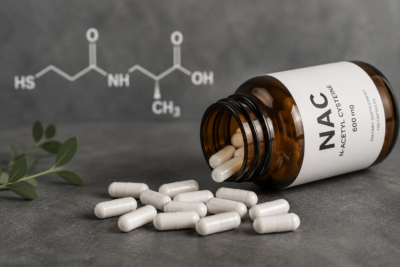
NAC stands for N-Acetylcysteine – a modified form of the amino acid cysteine. When you consume NAC, your body converts it into glutathione, often called the “master antioxidant.” Glutathione is your cells’ first line of defense against oxidative stress, toxins, and inflammation.
Why is NAC used?
-
To replenish low glutathione levels caused by aging, poor diet, stress, or environmental toxins
-
As a mucolytic agent to break down mucus in respiratory conditions
-
To protect the liver from drug-induced damage
-
As a supportive treatment for certain mental health conditions
-
To reduce oxidative stress in chronic diseases
NAC is available both as a prescription medication (in hospital settings for specific emergencies) and as an over-the-counter dietary supplement.
Benefits of NAC
1. Powerful Antioxidant & Glutathione Booster
NAC’s most important role is boosting glutathione levels. Glutathione neutralizes free radicals, recycles other antioxidants (vitamins C and E), and helps your body detoxify heavy metals and environmental pollutants. Low glutathione is linked to aging, chronic fatigue, and many degenerative diseases.
2. Liver Protection & Detoxification
NAC is the standard treatment in hospitals for acetaminophen (Tylenol) overdose, as it prevents severe liver damage. Beyond emergencies, NAC supports daily liver health by:
-
Reducing liver inflammation
-
Helping process alcohol and medication byproducts
-
Protecting liver cells from toxin-induced death
3. Respiratory Health Support
NAC is a potent mucolytic – it breaks down thick, sticky mucus. This makes it valuable for:
-
Chronic bronchitis
-
COPD (Chronic Obstructive Pulmonary Disease)
-
Cystic fibrosis
-
Sinus congestion
-
Recovery from respiratory infections
By thinning mucus, NAC helps clear airways and improve breathing.
4. Brain Health & Mental Wellness
Emerging research shows NAC may benefit several mental health conditions:
-
OCD (Obsessive-Compulsive Disorder): Reduces repetitive thoughts and behaviors
-
Depression & Bipolar Disorder: May improve symptoms when added to standard treatment
-
Addiction & Cravings: Reduces cravings for cocaine, nicotine, cannabis, and even gambling urges
-
Neuroprotection: May protect against Parkinson’s and Alzheimer’s by reducing brain inflammation
5. Immune System Modulation
NAC helps regulate immune responses. During viral infections (including flu and COVID-19), NAC has been studied for its ability to reduce inflammation severity and support recovery. It also helps prevent the “cytokine storm” – an overactive immune response that can damage organs.
6. Fertility Support
For men, NAC may improve sperm quality, count, and motility. For women with PCOS (Polycystic Ovary Syndrome), NAC has shown benefits in improving ovulation and pregnancy rates, sometimes comparable to prescription medications.
7. Exercise Recovery & Endurance
By reducing oxidative stress from intense physical activity, NAC may:
-
Decrease muscle fatigue
-
Improve recovery time
-
Protect against exercise-induced inflammation
Less Common but Possible:
-
Respiratory irritation: When inhaled as a nebulized solution, NAC can cause throat irritation or bronchospasm (especially in asthmatics)
-
Allergic reactions: Hives, itching, or swelling (seek medical help if severe)
Important Precautions:
-
Asthma: Use caution, as NAC can sometimes trigger bronchospasm
-
Bleeding disorders: NAC may slow blood clotting; avoid before surgery
-
Pregnancy & breastfeeding: Limited safety data; consult your doctor before use
-
Kidney issues: NAC is excreted through kidneys; adjust dose if you have renal disease
Note: If you experience severe side effects like difficulty breathing or chest tightness, discontinue use and seek medical attention immediately.
Dosage & Safe Usage
Standard Supplement Doses:
Purpose Typical Daily Dose Duration General antioxidant support 600mg – 1,200mg Long-term Respiratory health (mucus thinning) 600mg – 1,800mg 2 weeks to several months Liver support 1,200mg – 2,400mg As directed by physician Mental health (OCD, depression) 1,500mg – 3,000mg 8-12 weeks (under supervision) Exercise recovery 600mg – 1,200mg before workout As needed -
How to Take NAC:
-
With or without food: Food may reduce stomach upset
-
Capsules vs. powder: Both are effective; powder can be mixed with water or juice
-
Timing: Split doses throughout the day for higher amounts (e.g., 600mg twice daily)
-
Duration: For general wellness, cycles of 3 months on / 1 month off are common, but continuous use is generally considered safe
Important Interactions:
-
Nitroglycerin: NAC can enhance its effects and cause severe headaches or low blood pressure (do not combine)
-
Activated charcoal: May reduce NAC absorption
-
Blood thinners (warfarin): Possible interaction; monitor closely
-
Certain antibiotics (carbamazepine): May reduce antibiotic effectiveness – separate by 2 hours
Always consult a healthcare professional before starting NAC, especially if you take medications or have a pre-existing medical condition.
Frequently Asked Questions (FAQs)
1. Can I take NAC every day?
Yes, most people can safely take NAC daily for extended periods. Typical long-term doses range from 600mg to 1,200mg per day. However, it’s wise to consult your doctor for personalized advice.
2. Is NAC the same as glutathione?
No. NAC is a precursor that your body uses to produce glutathione. Taking NAC is often more effective than taking glutathione directly, as oral glutathione is poorly absorbed.
3. How long does NAC take to work?
-
Acute effects (mucus thinning): Within 1-2 hours
-
Antioxidant benefits: A few days to weeks
-
Mental health benefits: 4-8 weeks of consistent use
4. Can NAC help with hangovers?
Yes. NAC helps your liver process alcohol byproducts more efficiently. For best results, take NAC 30-60 minutes before drinking. (Note: Do not take NAC after drinking heavily, as it may worsen liver damage in that specific scenario.)
5. Is NAC safe for children?
NAC is used safely in hospitals for children under medical supervision. However, for daily supplementation, always consult a pediatrician first.
6. Does NAC interfere with medications?
Yes, as mentioned above. Most notably, do not combine NAC with nitroglycerin (heart medication). Always disclose NAC use to your doctor and pharmacist.
7. Can I take NAC with food or on an empty stomach?
Both are fine. Taking NAC with food may reduce mild stomach discomfort.
8. What happens if I take too much NAC?
Very high doses (7,000mg+/day) may cause severe nausea, vomiting, and headache. Always stick to recommended doses. In case of accidental massive overdose, seek medical help.
Reality & Final Note
NAC is not a miracle cure, but it is one of the most scientifically supported supplements available. Its ability to boost glutathione, protect the liver, support respiratory health, and aid mental wellness makes it a valuable tool for many people.
The reality:
-
NAC works best as part of a healthy lifestyle, not as a replacement for good nutrition or medical treatment.
-
Results vary by individual. Some people feel noticeable benefits within days; others may need weeks.
-
Quality matters. Choose supplements from reputable brands that undergo third-party testing (USP, NSF, or ConsumerLab).
Final recommendation:
If you struggle with frequent respiratory infections, want to support liver health, or are looking for a potent antioxidant, NAC is absolutely worth considering. Start with a low dose (600mg daily), monitor how you feel, and consult your healthcare provider – especially if you have a pre-existing condition or take medications.